Belonging without a full social calendar
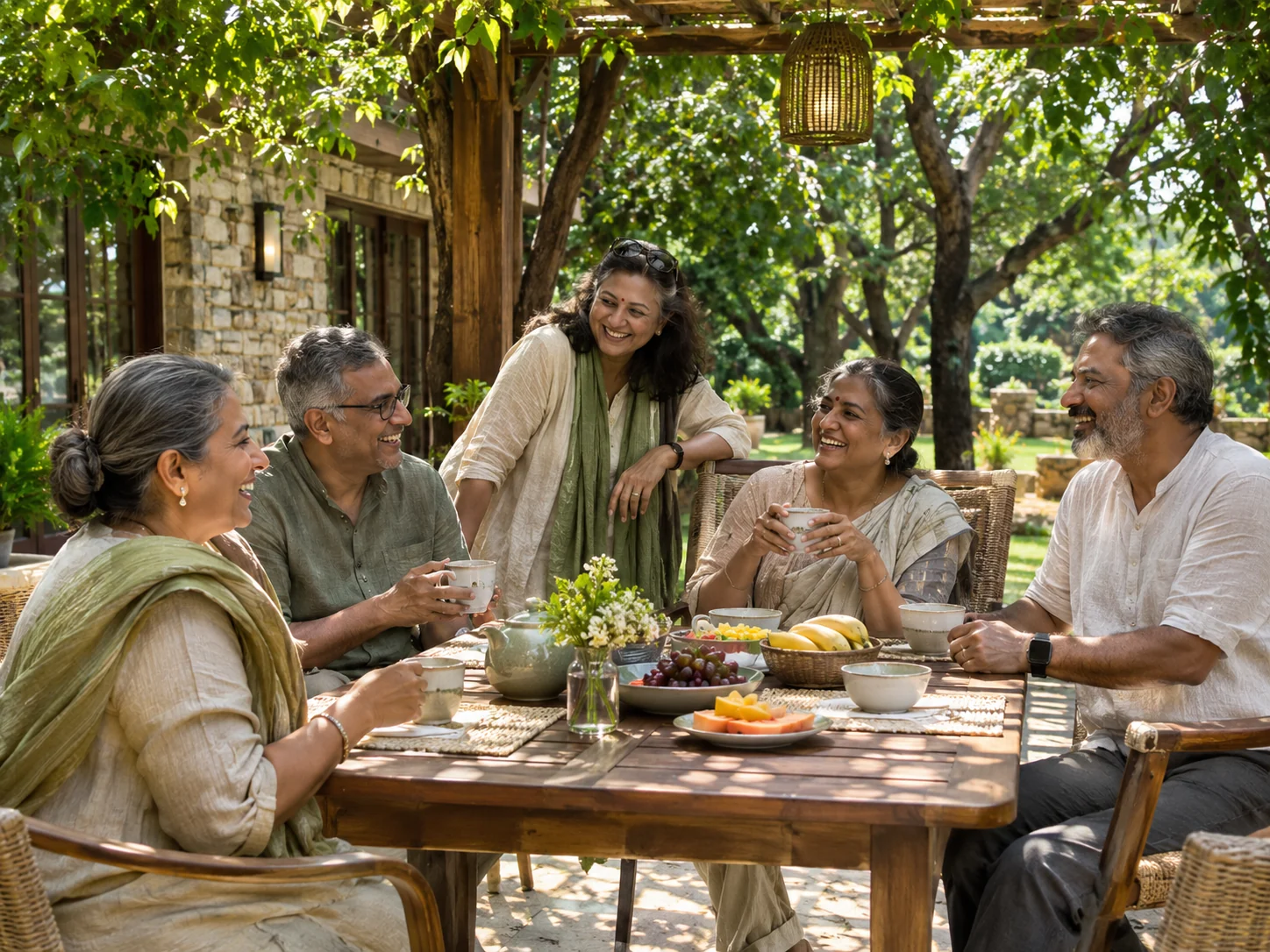
Picture two neighbours on the same evening. One would welcome company over tea; the other wants to read alone after a demanding day. A thoughtful community should make both choices comfortable. If belonging requires constant participation, it will suit only a narrow range of people.
For Wellness Homes, we would like to explore a different starting point: make it easy to meet, and equally easy to decline. The aim is a place where relationships can grow over time, not a programme that tries to organise every hour of residents’ lives. That distinction should influence buildings, activities and everyday expectations.
Connection is more than proximity
WHO distinguishes social isolation, which concerns a lack of social contacts, from loneliness, which is the distress of having less connection than one wants or needs. Simply living near other people does not establish whether someone feels understood or supported. [1]
The US Surgeon General’s social-connection work also places community conditions and social infrastructure within the response to disconnection. Its framework offers a reason to think beyond individual effort. It does not prove that a particular residential development will create friendship or improve an individual’s health. [2]
Our interpretation is modest: a setting can offer opportunities, but people decide what those opportunities become. We should evaluate a proposed community by how welcoming and usable it feels, rather than claiming that shared facilities will automatically produce close relationships.
Design small invitations into everyday life
Instead of beginning with a large event calendar, we could test small, ordinary meeting points: a shaded place to sit on a walking route, a shared table with room to join briefly, or a garden task that welcomes a beginner. None should be the only route to essential services or the entrance to someone’s private home.
The layout should provide choices about intensity. A quiet corner, a small conversation space and a room for an organised gathering serve different purposes. People should be able to see what an activity involves before deciding to join. An invitation becomes easier to accept when leaving early does not feel awkward.
Accessibility belongs in this discussion from the outset. A gathering is not genuinely open if reaching it requires navigating difficult steps, walking farther than someone comfortably can, or understanding instructions available only through one app. Our planning conversations should include people with different routines and access needs.
Write down the boundaries
Warm intentions do not remove disagreements. Visitors, pets, music, shared meals and use of common rooms can all become sources of tension. Before anyone commits to a community, there should be an understandable process for agreeing rules, raising concerns and reviewing decisions.
We would propose quiet hours, clear guest arrangements and a private route for reporting problems. Residents should not have to expose personal circumstances in a group chat to request a reasonable adjustment. Moderation should address behaviour consistently, and it should be possible to disagree about the project without being treated as disloyal.
Shared activities also need clarity about work. Volunteering should be optional. If the operation depends on paid gardening, cleaning or coordination, that belongs in the budget. A few enthusiastic residents should not quietly become the permanent workforce that keeps everyone else’s experience running.
Preserve the relationships outside the gate
A community can be part of someone’s life without replacing their existing friendships, family ties or interests. For returning NRIs in particular, the question may be how to build a routine near Hyderabad while staying connected to people elsewhere. That is a question to explore with individuals, not an assumption that everyone wants the same kind of retirement.
A location and operating model should make outside visits practical. We should also think about how newcomers are welcomed after the original group has settled in. Familiarity among founders can otherwise become an invisible barrier for people who arrive later. A clear introduction and a named contact may be more helpful than an elaborate welcome event.
Test the culture before the buildings
A small gathering or a trial weekend could teach us something that a master plan cannot: whether people enjoy this way of spending time together. We would ask about the quiet moments, the optional activities and any discomfort about expectations—not just whether everyone liked the setting.
These are ideas for discussion, not confirmed community rules. What would make it easier for you to join a shared activity? What would make you feel pressured? Honest answers, including a preference for greater privacy, can help shape a community that respects its members.
Sources & further reading
- WHO — Social connection: questions and answers (2025)
- US Department of Health and Human Services — Social Connection
Sources checked 23 November 2026. Links support the evidence discussed; our project proposals remain exploratory.