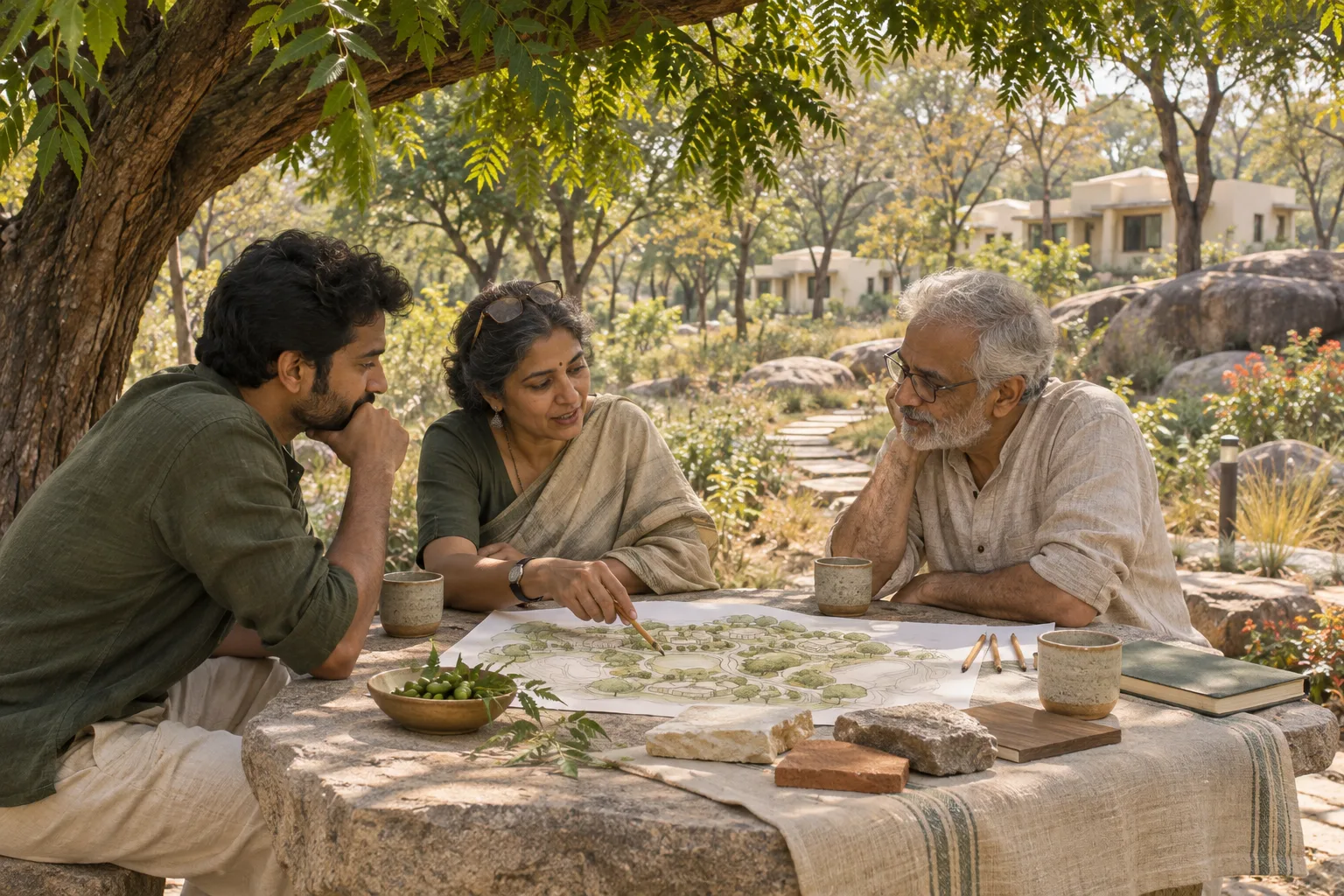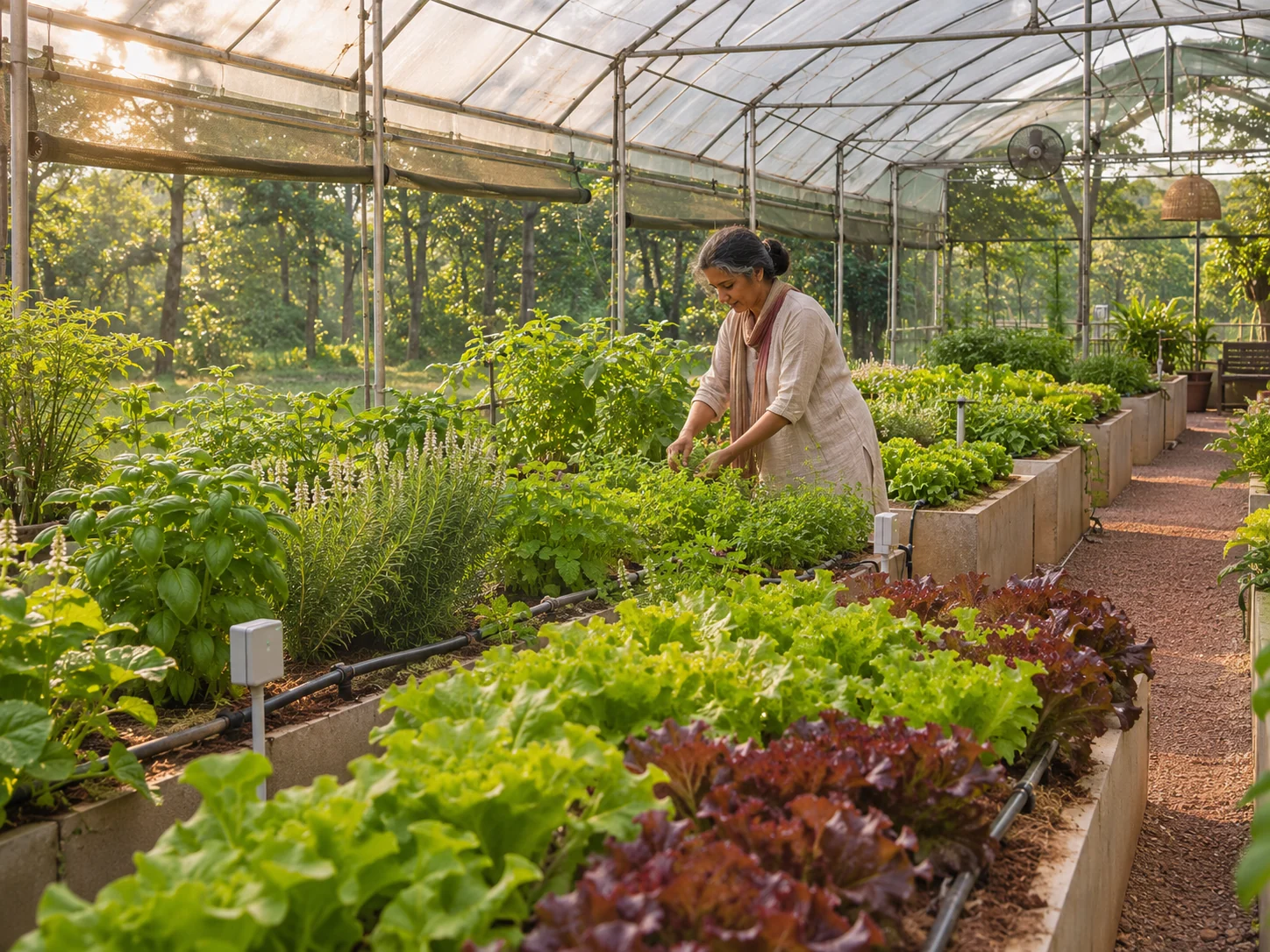
Start with a useful harvest
There is an appealing picture behind a community garden: step outside, pick something fresh and share it at the table. We would like to explore that possibility at Wellness Homes. But the first useful question is not whether the place could grow everything. It is which crops would justify the land, water, skill and attention they require.
A small, dependable harvest may be a better beginning than a large promise of self-sufficiency. Herbs, a few seasonal vegetables or a learning garden could each have a role. The right choice should follow local growing advice and an honest operating budget, rather than a picture of abundant produce attached to a property brochure.
A garden is part of a food system
FAO describes urban and peri-urban agriculture as part of wider food systems, linking production with activities such as distribution and recycling. Its guidance recognises potential benefits from access to fresh food, while also noting competition for resources including land, water and labour. [1]
For our project, that suggests combining modest on-site production with relationships with dependable growers nearby. We do not need to grow a staple on the property merely to make the food story sound complete. Sourcing well, storing food properly and planning meals sensibly deserve attention alongside cultivation.
It also matters what residents actually eat. A crop plan should start with preferences, seasonality and kitchen demand. Producing an impressive quantity of something nobody uses is not a useful success measure. Nor should every household have to adopt the same menu to make a shared growing area worthwhile.
Technology changes the work; it does not remove it
A greenhouse or hydroponic system can sound like a simple route to predictable food. FAO’s 2025 review of modern indoor farming discusses opportunities alongside food-safety challenges. Controlled conditions do not eliminate biological and chemical hazards or the need for appropriate controls. [2]
Our proposal would be to compare options before choosing equipment: open growing beds, shaded cultivation, a small greenhouse or purchases from nearby farms. Each option should have a named operator and a realistic plan for inspections, cleaning, consumables, repairs and harvest handling. Automation is useful only when it solves a problem that we can describe.
We would also want a plan for the boring failures: a pump stops, a delivery is delayed, the person responsible is away, or a crop performs poorly. If a system needs specialised support that is difficult to obtain locally, that dependency belongs in the decision. It should not become a surprise after installation.
Water and food safety come before the label
The appealing words in a garden description—local, fresh or grown here—do not by themselves establish that the food is safe. FAO’s work on irrigation and wastewater stresses that safety needs attention across the journey from cultivation to consumption. [3]
For Wellness Homes, our proposed approach would begin with competent assessment of the growing medium and water source, then appropriate handling and cleaning procedures. Any use of treated wastewater would need professional evaluation for the intended crop and use, rather than a casual assumption that recycling makes it suitable.
We should be equally careful with claims. Unless verified through an appropriate process, we should not describe produce as certified organic or free of every contaminant. Visitors deserve a plain explanation of how food is grown, purchased and handled, including what is still being tested.
Decide who works and who pays
A community garden can be a place to learn, but essential care should not depend on residents feeling obliged to volunteer. Some people will enjoy planting; others may prefer cooking, sharing a meal or simply buying produce. Those are different forms of participation, and none should be treated as a test of commitment.
The budget should separate professional growing and maintenance costs from optional resident activities. It should also show how produce is allocated, whether residents buy it or receive an agreed share, and how costs are handled when harvests fall short. Transparency will matter more than whether every vegetable is grown within the boundary.
Before expanding, we would want to compare the full cost of a useful harvest with the alternative of buying similar food locally. The garden may still be worthwhile for enjoyment and learning, but those reasons should be stated honestly rather than hidden inside optimistic savings estimates.
A pilot worth discussing
An early pilot could be deliberately small: one growing area, a short crop list, a responsible grower and a simple record of costs, water use, harvest and waste. Residents could tell us whether they valued the produce, the activity, or both.
No growing system or food programme has been committed for Wellness Homes. What would you most value: food from a trusted nearby farm, the chance to grow something yourself, or occasional shared meals? The answer should guide the garden—not the other way around.
Sources & further reading
- FAO — Urban and peri-urban agriculture: about
- FAO — Modern indoor farming: opportunities and food safety challenges (2025)
- FAO — Safe use of wastewater in urban and peri-urban horticulture
Sources checked 23 November 2026. Links support the evidence discussed; our project proposals remain exploratory.